“The White Clinic is a laboratory of the future”
Interview by Dental Tribune.


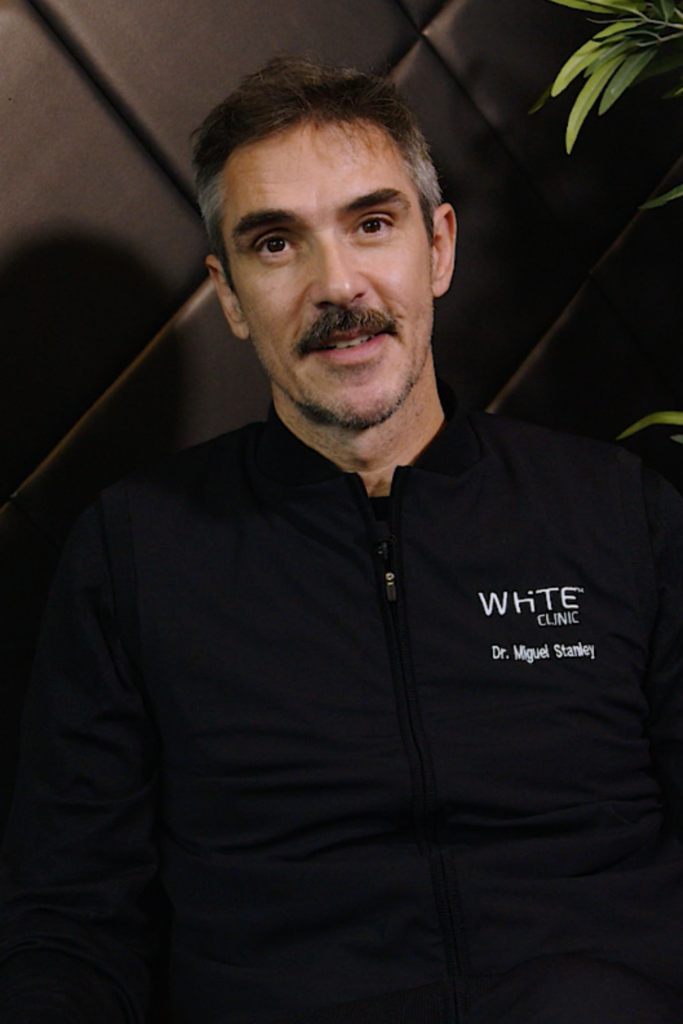


Interview by Dental Tribune.
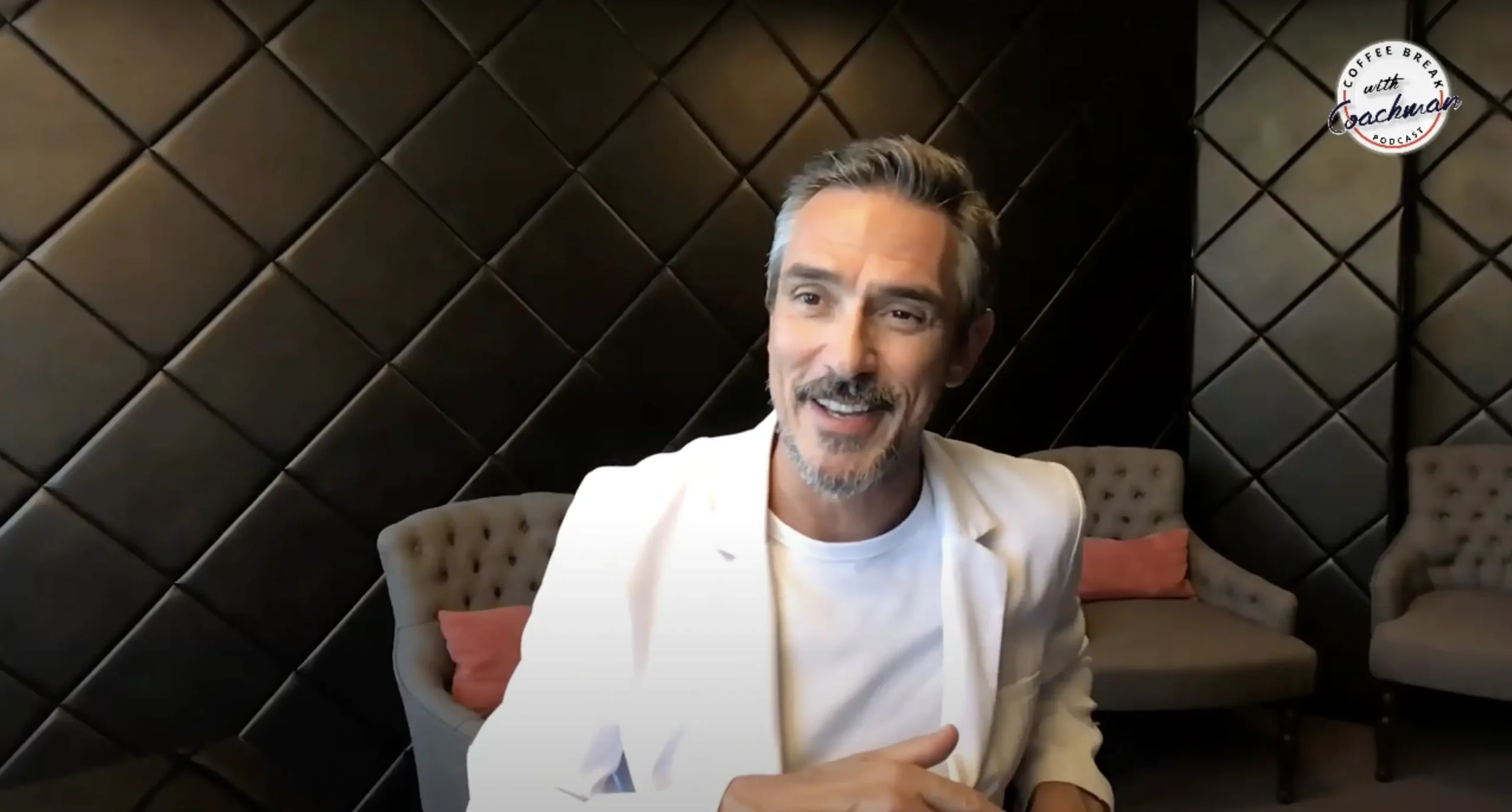
My long-standing friend and amazing colleague, Christian Coachman, recently reached out and invited me to be a guest on his podcast Coffee Break with Coachman. The theme was “The Slow Dentistry Revolution: why dentists are changing the way they work” and it was a really great talk!
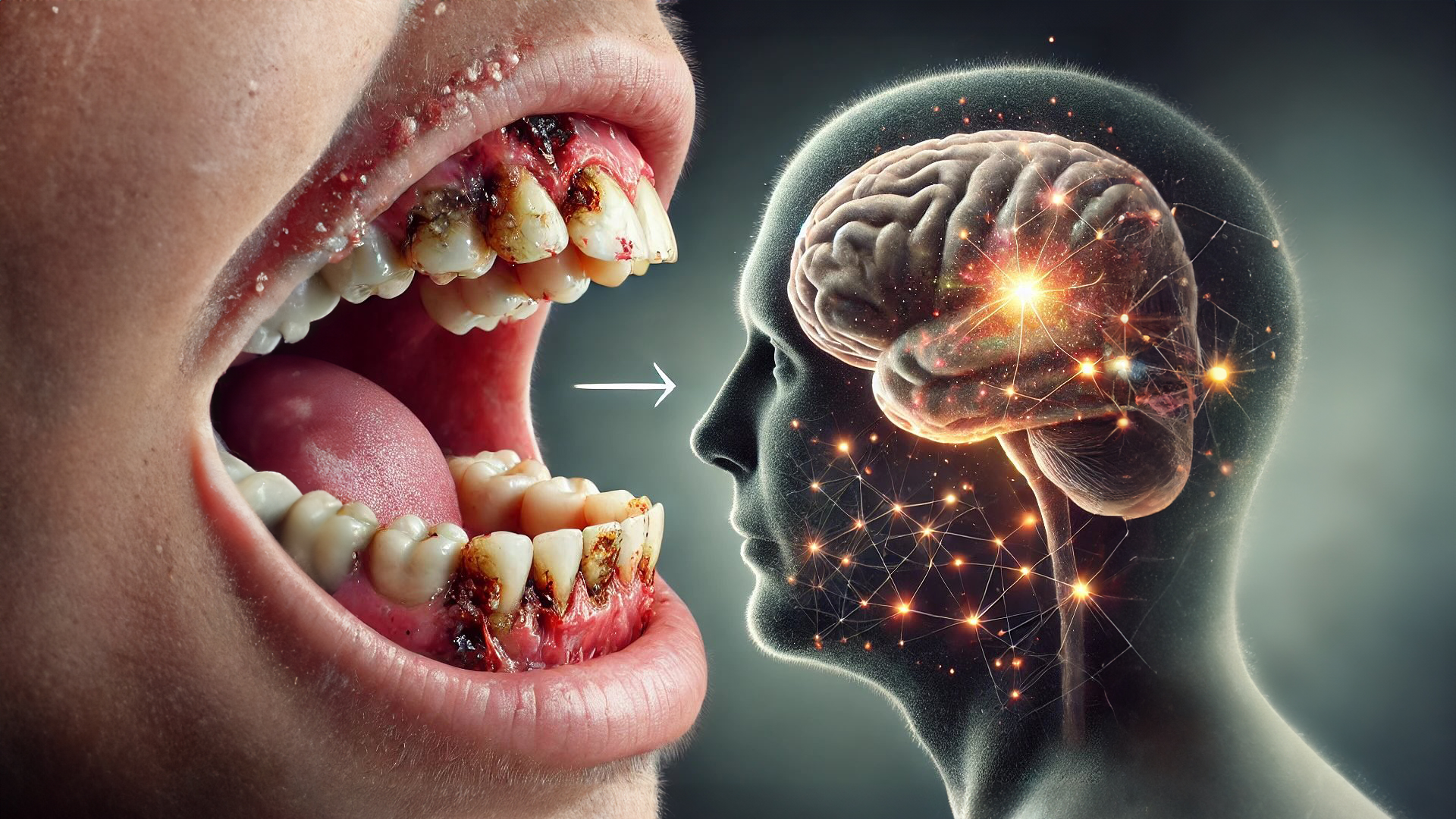
Did you know poor oral health could be linked to Alzheimer’s disease? Studies increasingly show a strong connection between oral conditions – like gum disease (periodontitis) – and neurodegenerative diseases such as Alzheimer’s.
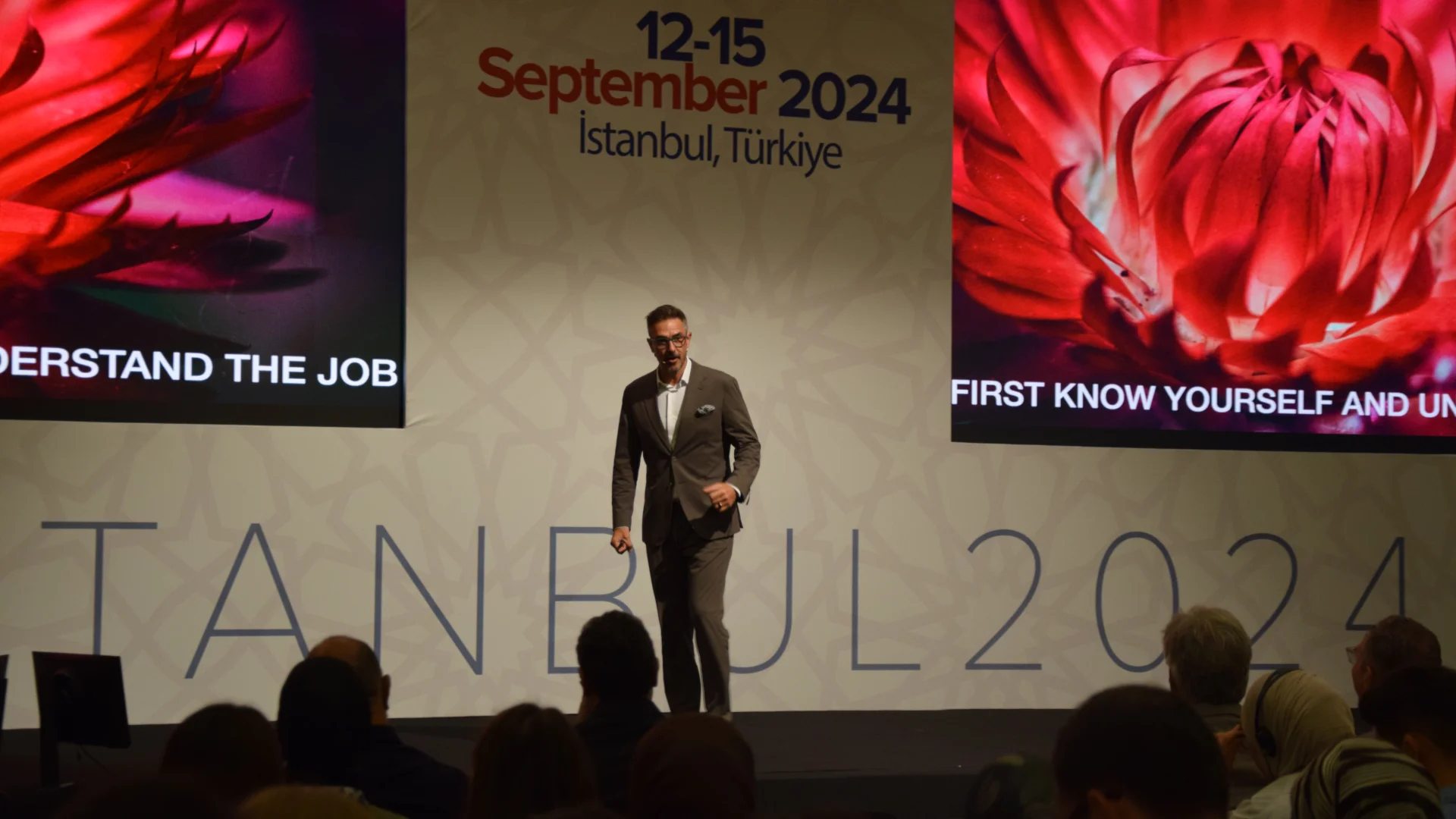
As the dental field continues to evolve, the insights and perspectives of emerging professionals are more valuable than ever. Driven by curiosity, enthusiasm and a passion for innovation, young dental practitioners bring a fresh perspective that helps to shape the future of dental care.
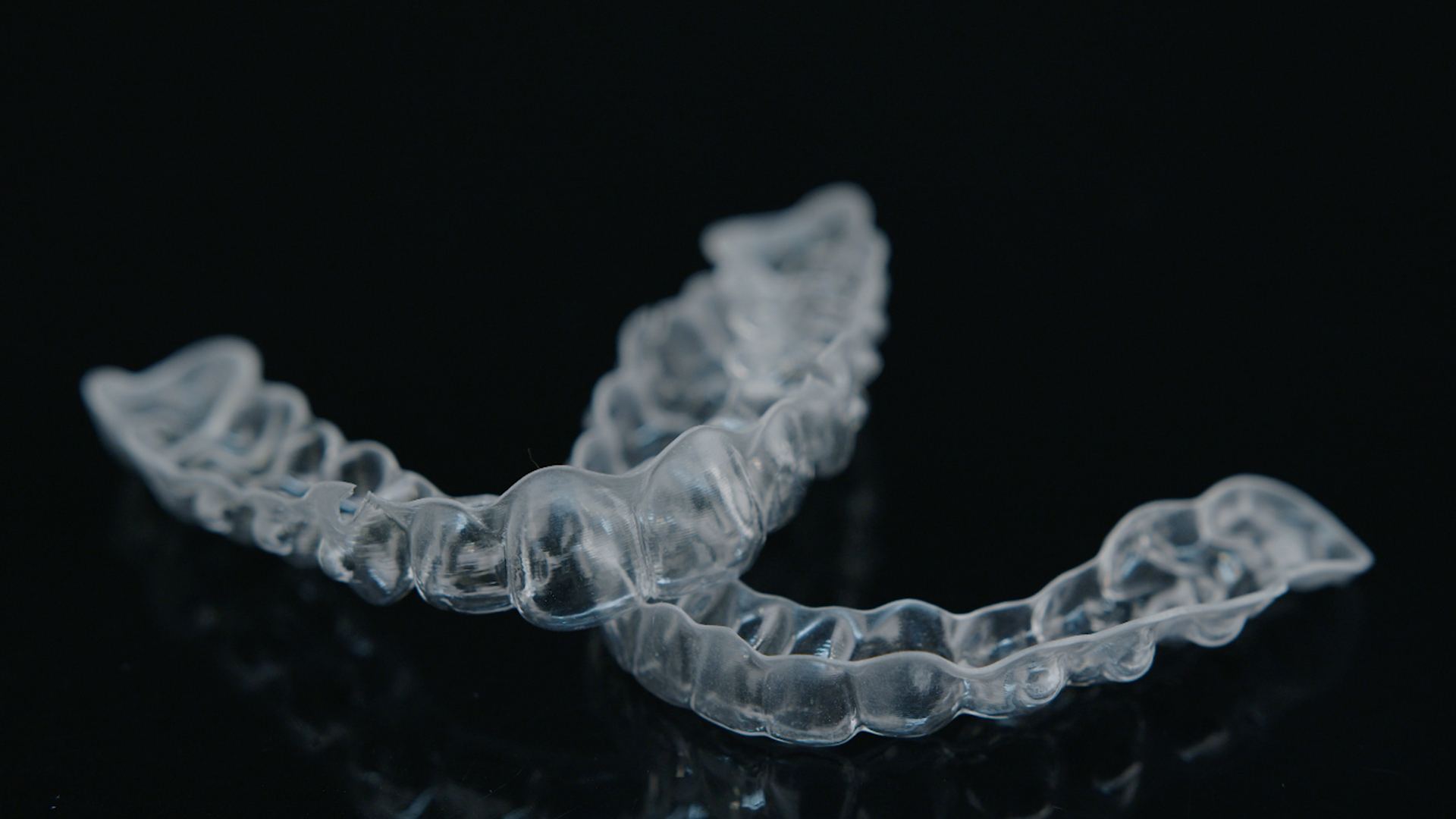
Why do we need to straighten teeth? How do we do it? What is the best way? These are the big questions nowadays, and I think that the answers to these questions, as well as how we actually do these treatments, have changed over the past decades.
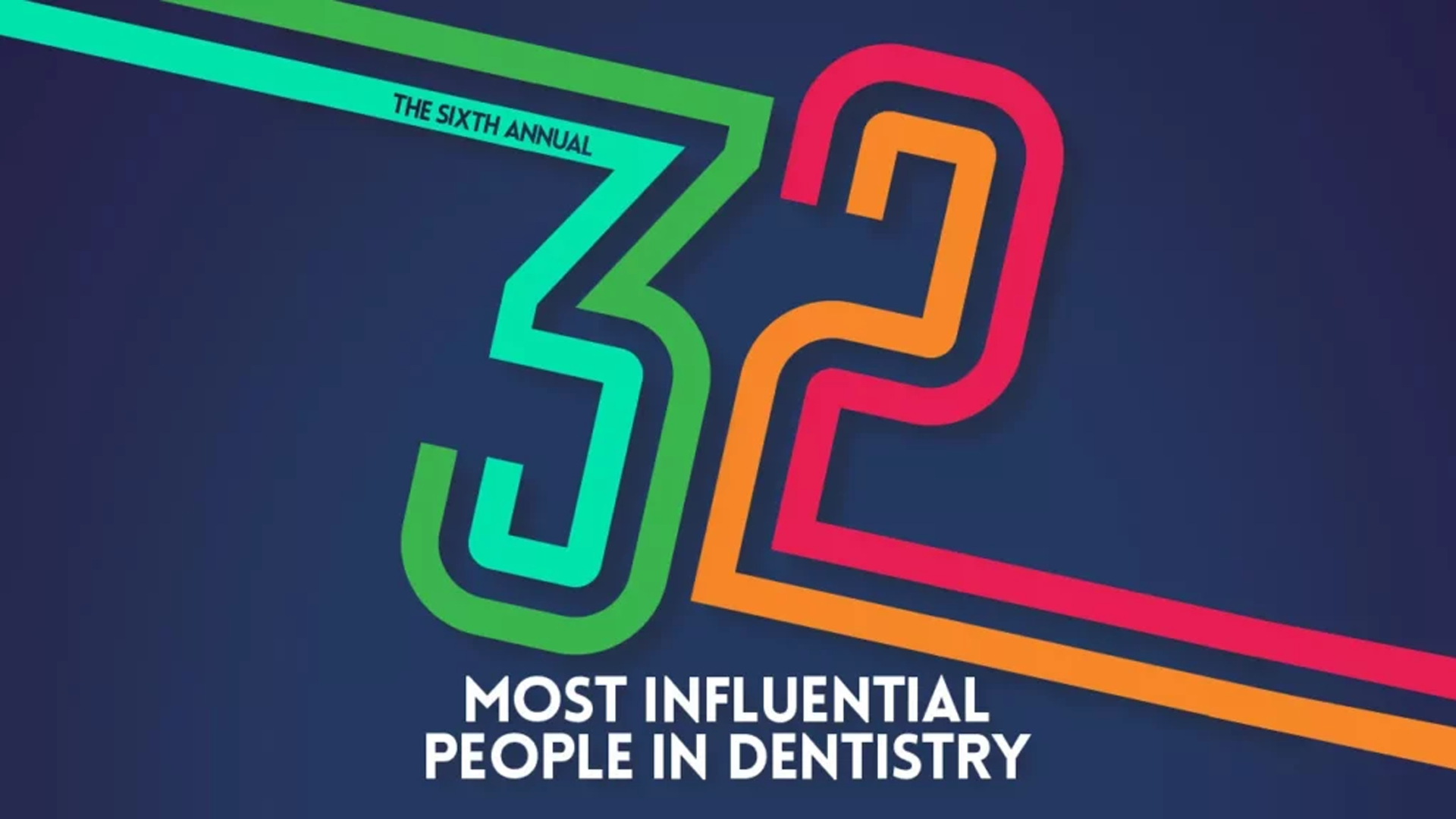
And one of them is me! WOW! I am beyond honoured to have been named one of the “32 Most Influential People in Dentistry” by Incisal Edge magazine, alongside some of the biggest CEOs and global leaders in the world of dentistry. It’s truly incredible being able to witness and be a part of all the exciting things currently happening in oral healthcare.
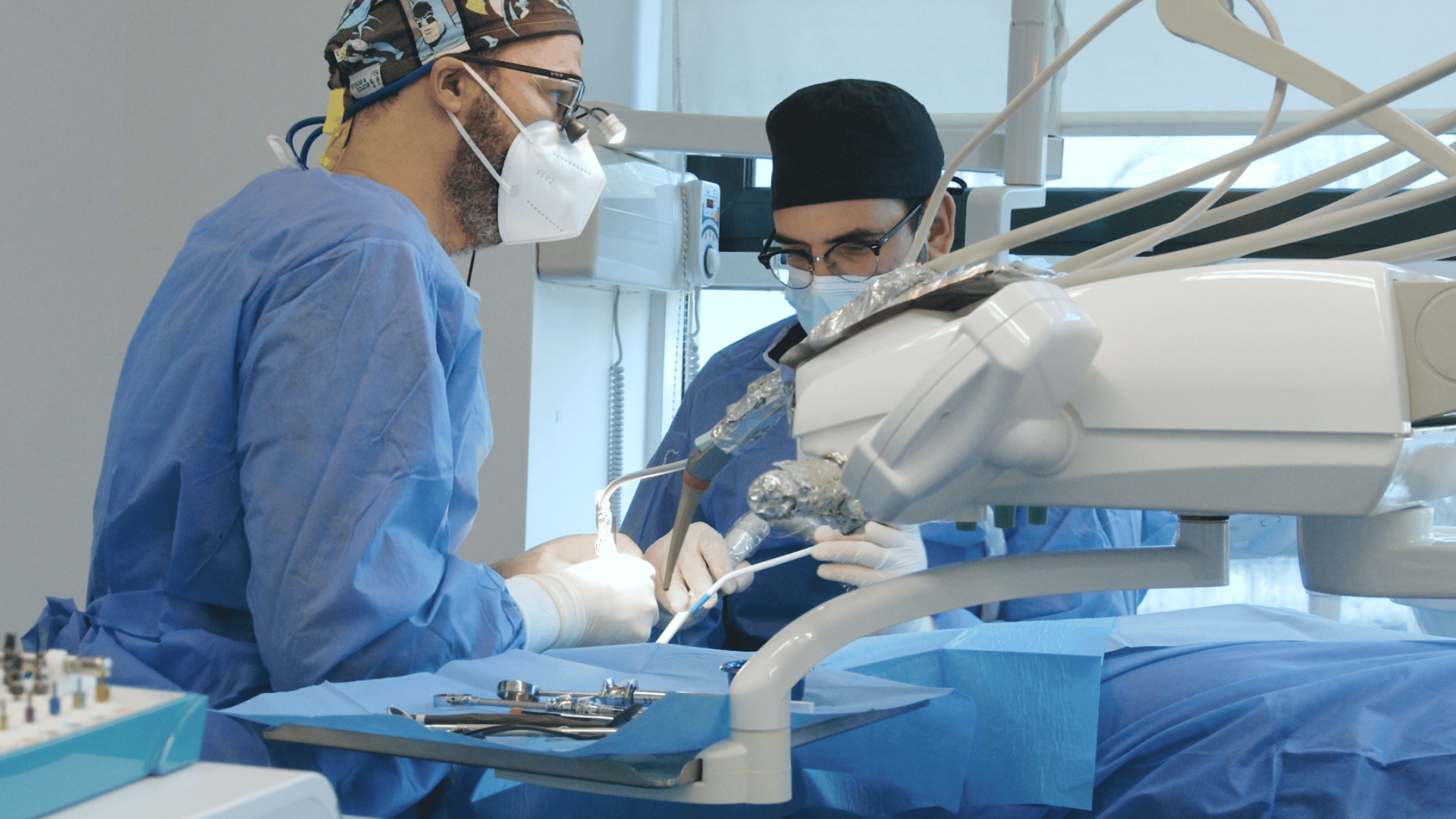
One of the great pillars of healthcare, a relationship of trust between doctor and patient is crucial – while one is facing health problems, the other has the skills, knowledge and experience to minimise suffering, create a treatment plan, execute it and accompany the patient towards a solution that restores health and wellbeing. So, why is trust in healthcare eroding?
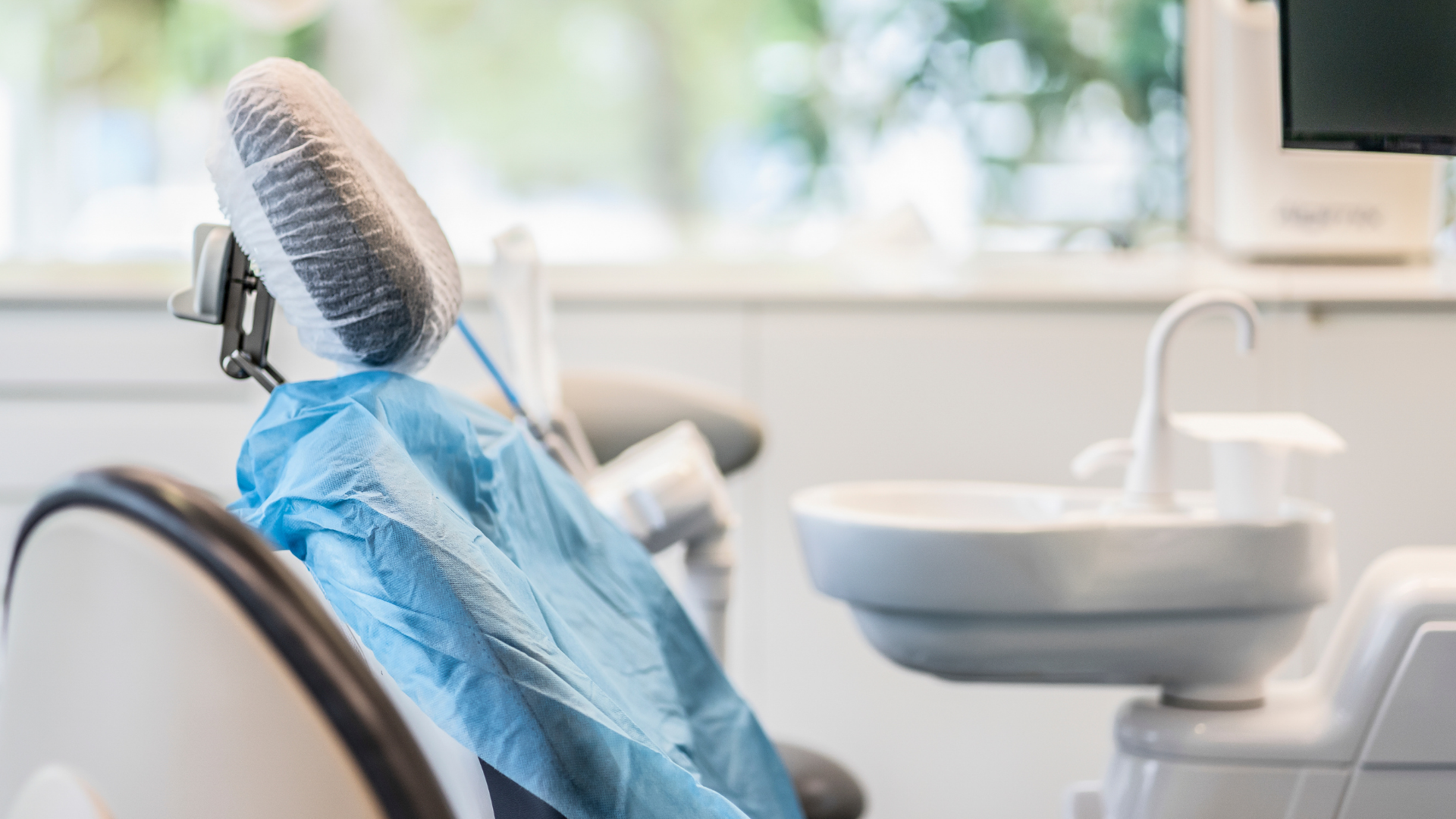
As healthcare providers, our expertise and skills are at the forefront of what we do, but our “bedside manner” is just as important, precisely because we are dealing with other people’s health.
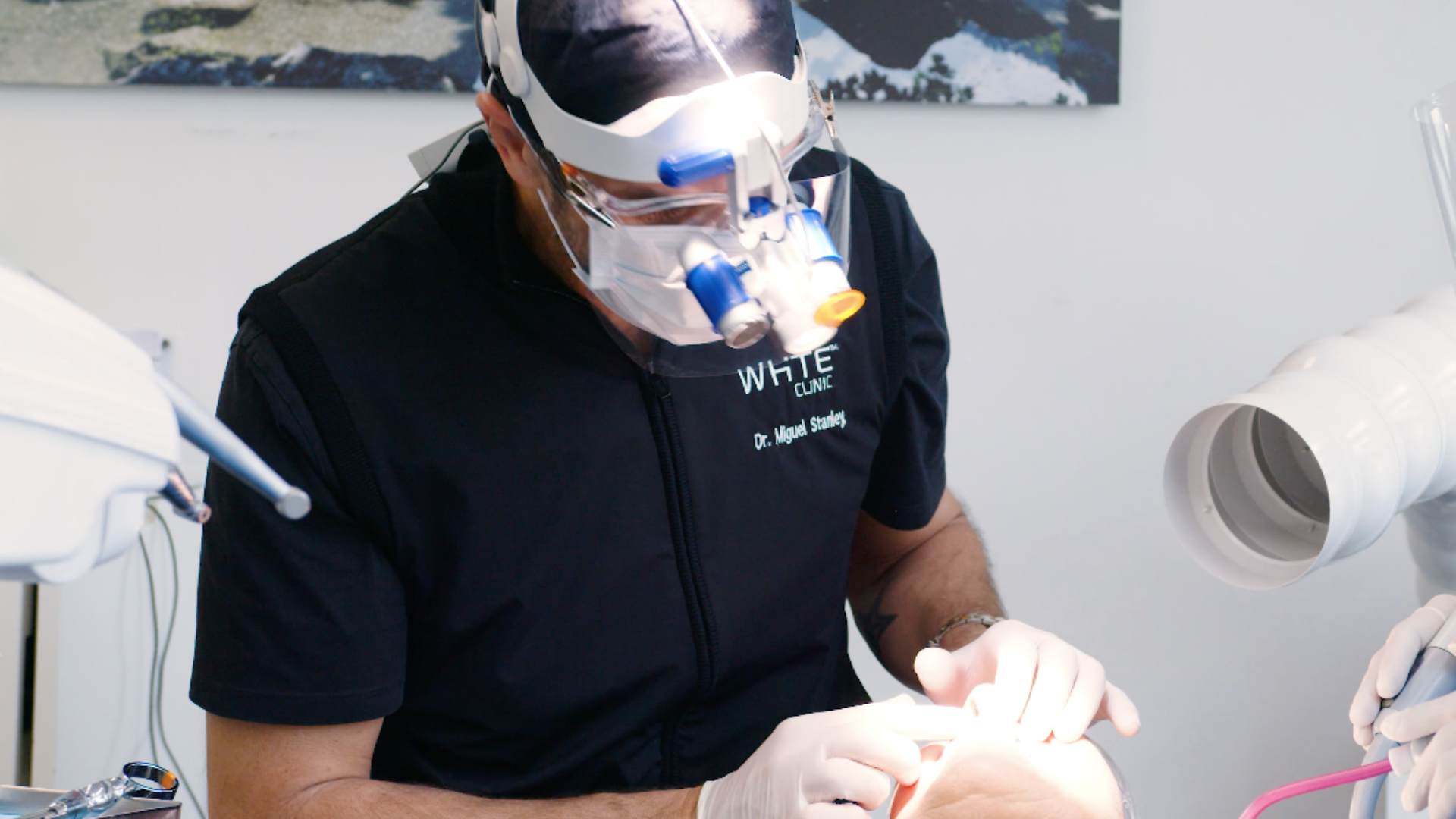
“No Half Smiles” is a treatment philosophy I developed a few years ago and it is based on the idea of always doing what your patients need, not what they want. But how do we do that? And why do so many dentists give in to what a patient wants and end up doing quick fixes instead of treating the entire mouth?
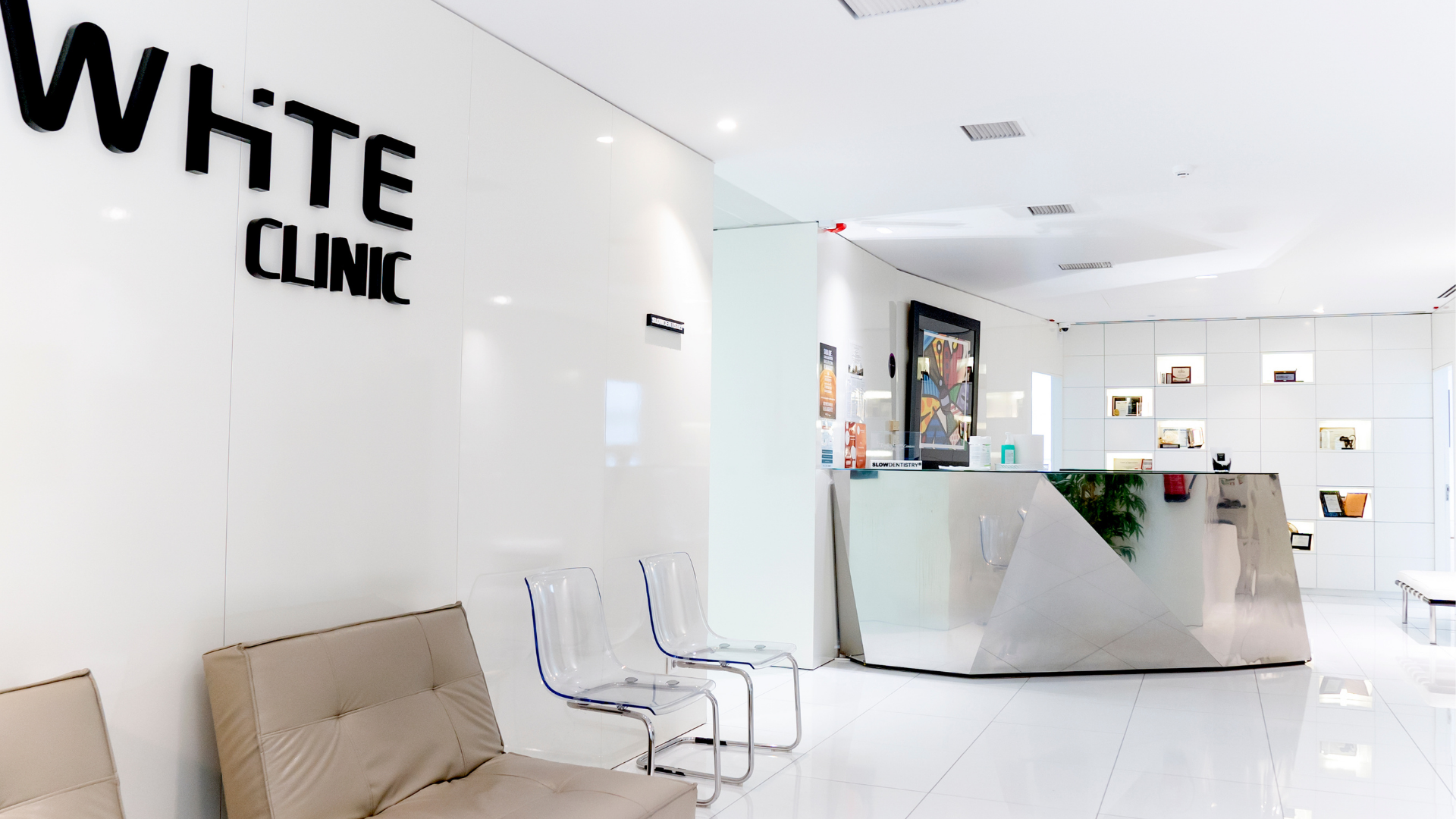
For private practitioners, dentistry is a gentle balancing act between providing safe and quality oral healthcare, and running a business based on other people’s wellbeing, including their own and that of their staff. A business is always a business, and healthcare is always healthcare, which means it’s crucial that patients understand the investment that goes on behind the scenes of a private dental practice when questioning why a dental appointment is so expensive.
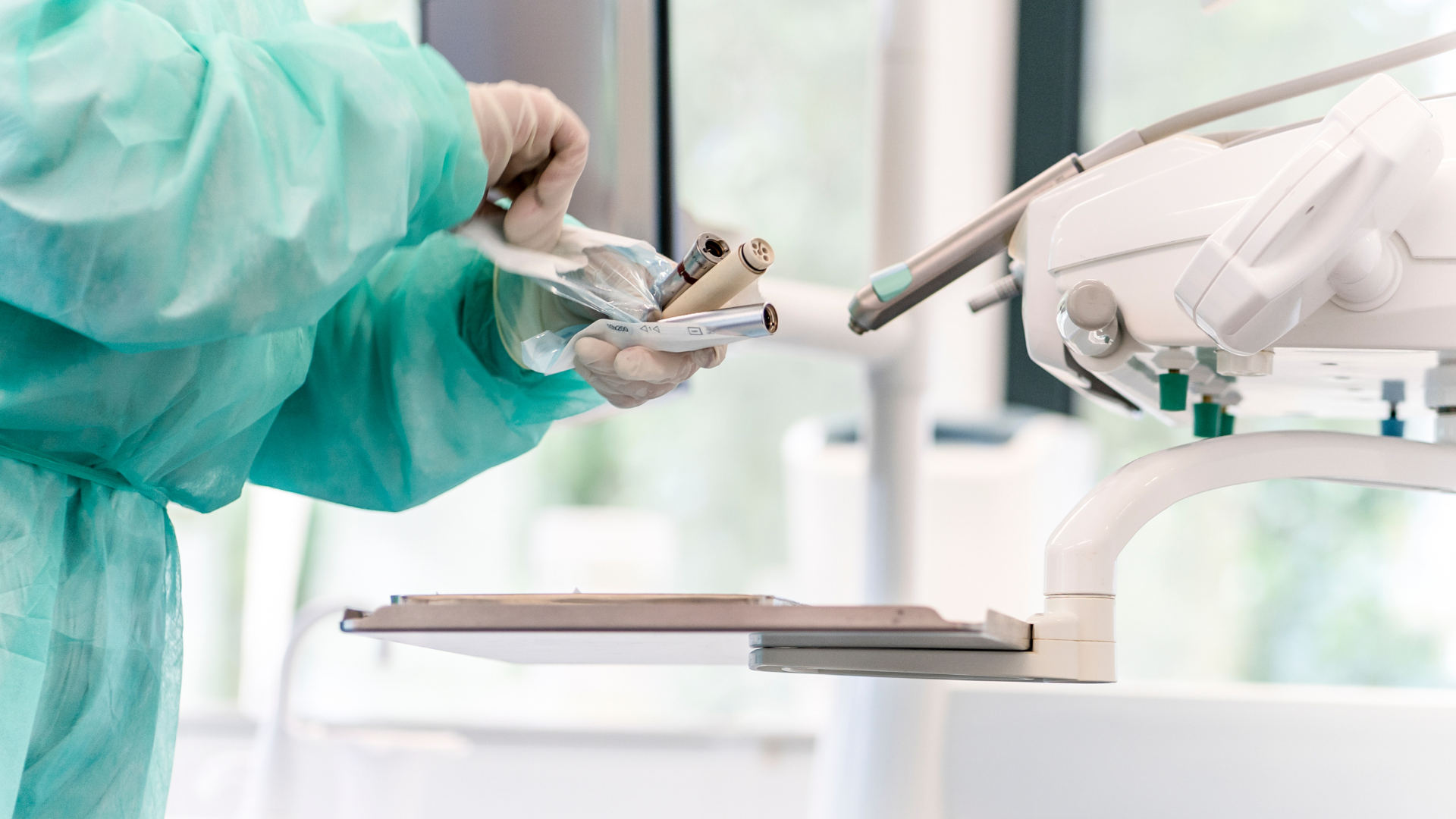
In a world that’s so used to moving fast, it is becoming increasingly important to know when and where to slow down. And dentistry just so happens to be one of those areas – thanks to the global phenomenon Slow Dentistry that has gained popularity in over 50 countries worldwide. I know what you’re thinking: why would patients want to spend any longer than they already have to at their dentist? Let’s discuss why.
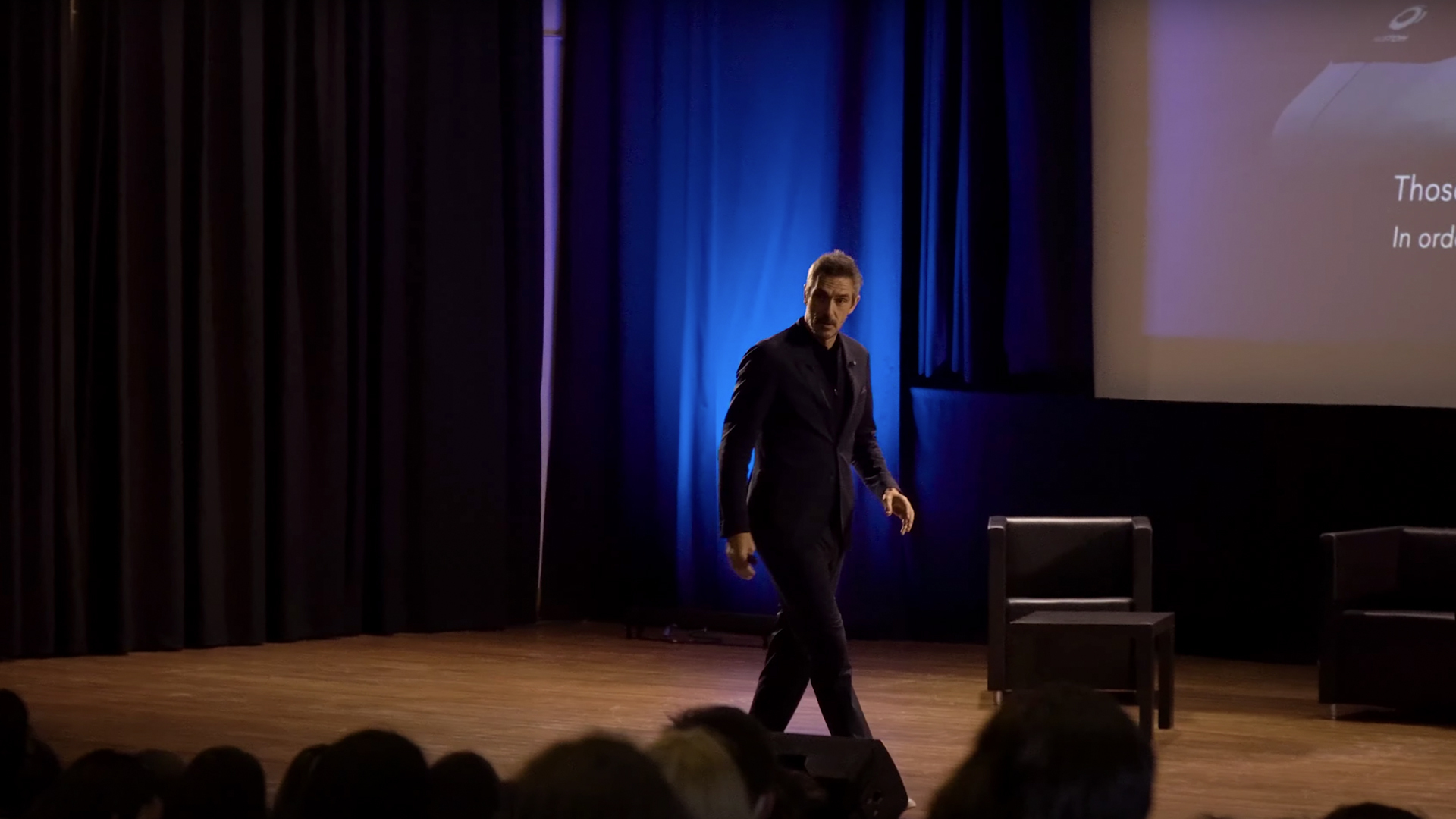
Save the date: see you in Hungary on May 7.
Join me at the 11TH IAOCI World Congress in Washington.
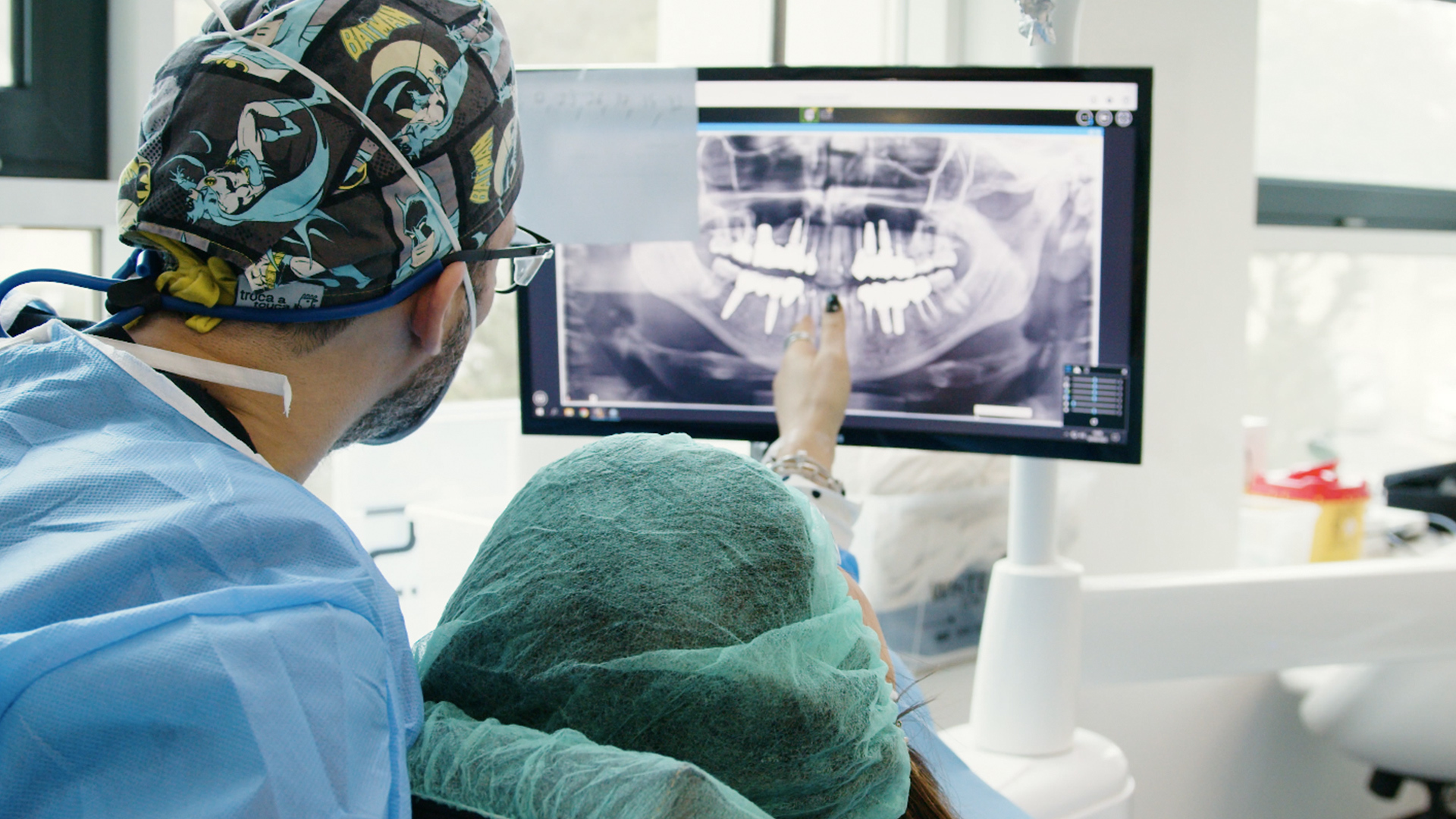
Prevention is everything when it comes to cancer and oral cancer is a silent killer and many times goes undetected.